Brain Trust Technologies LLC
TOLL FREE: (877) 288-5527
  • Home
  • Why Brain Trust
    • Partners & Certifications
    • Affiliations
  • Services & Solutions
    • Managed Services
    • Hosted Solutions
      • Business Solutions
    • Hardware & Software Sales
    • Professional Services
    • Business Continuity
  • Blog
  • Resources
    • White Papers
    • Brain Trust Reports
    • Case Studies
    • Newsletter Archive
  • About Us
    • Referral Program
    • Contact Us
  • Support

2017’s most valuable IT solutions

January 2, 2018 admin Business 2018january2business_c, ai, business value, cloud, cybersecurity, iot, machine learning, mobile payments, ransomware

It’s the perfect time of year to evaluate last year’s technology investments and make adjustments for the year to come. Whether 2017 left you with extra cash in your pocket or desperate for a better way to get work done, here’s a roundup of the best IT news from the past year.

Small businesses love the cloud

According to research from IDC, more than 70% of businesses with 10-99 employees took advantage of cloud technology in 2017, and that number is expected to rise this year. This is largely due to IT providers demonstrating that the cloud is just as, if not more, secure than on-premises solutions. The list of possibilities for what can be hosted in the cloud on a small-business budget is getting longer every day — if you’re not devoting resources to this technology, it’s time to jump onboard.

Mobile payments earn users’ trust

Like the cloud, making credit card purchases using a mobile device suffered from a trust deficit in its early stages. For good reasons, consumers have been conditioned to treat IT security with caution, and storing financial information on a smartphone that could wirelessly transmit that information to cashiers sounded dangerous.

However, after two years of availability without any major incidents, the number of users who have used smartphone-based wallets like Apple Pay has doubled. Accepting these payments is relatively simple for small businesses and opens up new business opportunities.

Cybersecurity becomes affordable for SMBs

Ransomware had yet another year of explosive growth, and small businesses were a primary target. Thankfully, managed IT services providers met the increased demand for cybersecurity services with intelligent data backup and network protection solutions tailored for SMB budgets. There will be even more ransomware attacks in 2018, which means you should be investing in more cybersecurity services than you did last year.

The Internet of Things gains popularity

Just a couple years ago, Internet of Things (IoT) devices were novelty gadgets for people with money to burn. Everything was being connected to WiFi networks: egg trays, pet-activated video chats, belts, you name it. But due to more useful applications in 2017, nearly a third of US businesses are now taking advantage of IoT gadgets. Connected thermostats, door locks, and AI assistants make it easy to save money, increase security, and boost productivity.

“Artificial Intelligence” is widely adopted

Although we’re still far from building computers that can truly think for themselves, 2017 was the year that computers got much better at creatively organizing and interpreting data for us. From digital assistants that answer your phones to customer relationship management platforms that intelligently uncover sales opportunities, IT solutions for business are getting significantly cheaper and smarter. Experts predict that more than 30% of businesses will use AI by next year and we recommend you join their ranks.

Technology investments are no different from any other investment. There will always be risks and you should always consult with an industry expert first. When you’re ready to get more value out of your IT, give us a call and we’ll get started on your 2018 plan!

Published with permission from TechAdvisory.org. Source.
Phishing alert: scammers now use encryption

December 22, 2017 admin Security 2017december22security_c, cyber security, Encryption, https, phishing scam

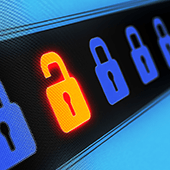
When you visit an encrypted website, the connection between the source of the web page and your browser is secure. Encryption ensures users’ browsing habits are safe from hackers’ prying eyes, but phishing scammers have found a way to adopt it for their own schemes.

How hackers use encryption to carry out phishing scams

According to recent research, 24% of phishing scams in 2017 use web encryption — an astounding increase from last year’s 3%. This means more HTTPS sites may not be truly safe.

Phishing scammers rely on their victims to do what they ask, which is why it’s so effective. And with this new trick, unsuspecting users are more likely to be deceived. What makes this encryption-aided scam even more effective — and dangerous — is that it makes hackers’ phishing email or text that much more authentic-looking.

For example, if you receive an email that purports to be from Amazon and includes a link to an encrypted site, there’s now a slightly higher chance you’d believe this email is the real deal. Clearly, if you’ve never purchased anything from Amazon, you’d know that this is a fake. But then again, there are millions of Amazon customers who could be misled into thinking that that email is legitimate.

Does encryption mean a safer internet?

With organizations like the Internet Security Research Group and Google promoting encryption, the world wide web should be a safer place, but that’s not necessarily the case. In fact, encrypting more legitimate websites could simply result in an increased number of encrypted phishing sites.

It may also be useful to know that not all phishing sites use encryption. Many phishing scams are still carried out using websites that may or may not be encrypted.

What you can do to ensure safety

This isn’t meant to cause panic, and despite this new phishing tactic, encryption is still an essential security tool that every business must implement.

Websites with HTTPS are still much safer than unencrypted ones. This is why it’s more important than ever to be vigilant when visiting suspicious sites and clicking on links. If you receive an email from PayPal asking you to verify your bank account details or password to a seemingly secure link, be wary. Some phishing scams are easy to detect, but some are not.

Practice extreme caution when responding to requests for sensitive data. Consider the source of the message, think before clicking, and don’t hesitate to seek the advice of an expert in case you have doubts. Phishers succeed only if you do what they ask you to do.

Phishing and other cyber scams are constantly getting upgrades, and no single solution can prevent hackers from attacking you. But your business could be much safer with the right cyber security protections in place. If this is exactly what you need, get in touch with our cyber security technicians.

Published with permission from TechAdvisory.org. Source.

HP laptop users beware: keylogger found

December 20, 2017 admin Hardware 2017december20hardware_c, antivirus, cyber security, hardware, hp, keylogger, laptop, security, software

You might be entering credit card details on a website to purchase something online or filling in your personal information to subscribe to a service, thinking you’re safe behind the keyboard. And you probably are — if the computer you’re using doesn’t have a keylogger installed. But for HP laptop users, chances are they aren’t so lucky. Read on to see why.

What are keyloggers?

Keyloggers are hardware devices or software programs that record every key you press on your computer’s keyboard. Most keyloggers can also capture screenshots and send them to a remote computer where someone is waiting to see what you’re up to.

And why does this matter? Because hackers can steal your usernames and passwords, keep track of the messages you send via instant messaging apps or emails, and other personal information you disclose on online forms. Imagine what they can do with all that data.

A keylogger spotted on hundreds of HP laptops

In early December, a security researcher discovered a keylogger pre-installed on an HP laptop. This led to the revelation that more than 460 HP laptop models, including ProBook, Pavilion, EliteBook, and the Envy line include the Synaptics touchpad driver — which can be used as a keylogger.

Even though the keylogger on those HP laptops isn’t activated by default, an attacker who gains access to your laptop can enable it without much difficulty. HP themselves said the keylogger code had been added to the software by mistake and they’ve since released patches to fix the issue.

What should HP laptop users do?

If you own an HP laptop, check whether you’re affected by referring to this full list of affected models. If your laptop model is on the list, click on the link provided on the right side of the model name and download the security patch immediately to remove the keylogger from your computer.

How to protect yourself from keyloggers

The standard security measures — which you should be taking to heart and keeping up to date — can help protect you from keyloggers. You should avoid suspicious websites and never download files from them, and take extra care when opening attachments, text messages, or social media links from unknown senders since they can be embedded with a keylogger.

You should also have antivirus software installed and keep it up to date. Most antivirus software nowadays has already added keyloggers to their databases. It’s also good to be aware of the latest security patches from your hardware manufacturers and software developers since they’re made to fix current vulnerabilities.

And to make things even more secure, consider using one-time passwords and two-step verifications when you need to log in to important online services, such as those related to personal finance or services that require sensitive personal data.

Need more tips and tricks on how to protect yourself and your business from cyber espionage? Talk to our security experts today. They will be more than happy to explain IT security issues to you in plain English!

Published with permission from TechAdvisory.org. Source.

«‹ 11 12 13 14›»
Brain Trust Technologies LLC

6749 S. Westnedge Ave
Suite K, #128
Portage, MI 49002-3556

Southwest Michigan: (269) 290-7137
St. Louis: (314) 558-0623
Toll Free: (877) 288-5527

SMS Terms of Service | SMS Privacy Policy

© 2025 Brain Trust Technologies, LLC. All Rights Reserved